Most people think of stress and illness as events, something that happens, peaks, and then ends. But the body does not measure recovery by the calendar. It measures recovery by completion. A fever can break while inflammatory chemistry still lingers. A difficult week can pass while cortisol signaling remains slightly elevated. An infection can resolve while fragments of immune activation continue quietly in the background. On the surface, recovery appears finished. Beneath the surface, cycles may remain partially open. Over time, these unfinished responses accumulate. The body does not collapse — it adapts. But it adapts from a narrower margin. Stress tolerance subtly declines. Recovery takes longer. Baseline shifts without obvious cause.
Let’s take a look at a biological time-lapse of incomplete recovery, not dramatic failure, but partial resolution, and examine how reducing residual internal disturbance may allow cycles to close fully rather than carrying forward into the next challenge.
Chlorine Dioxide and Incomplete Recovery — A Time-Lapse of What the Body Remembers
Day 0
A stress event occurs.
It doesn’t have to be dramatic.
A mild infection.
A difficult week.
A disrupted sleep cycle.
A high-intensity workout.
Within alternative terrain-based discussions, chlorine dioxide is not framed as a recovery stimulant. It is considered in the context of reducing what remains after recovery should have finished.
If microbial persistence declines, immune activation shortens.
If biofilms weaken, hidden irritants clear.
If oxidative debris lowers, redox balance stabilizes.
If inflammatory cycles complete, stress chemistry resolves more cleanly.
Recovery becomes complete rather than partial.
The difference is not intensity. It is completion.
The Difference Between Resilience and Incomplete Recovery
A resilient system:
Activates.
Performs.
Resolves.
Returns fully to baseline.
Aging is not only cumulative damage. It is cumulative incompletion.
When cycles close cleanly, biological wear slows. When cycles remain slightly open, the body spends more time in activation and less time in restoration. Over years, that difference compounds.
Some approaches to recovery focus not on pushing adaptation harder, but on:
lowering ongoing irritant load
supporting clearance pathways
stabilizing redox chemistry
improving oxygen distribution
allowing immune cycles to finish fully
As upstream interference decreases, the body may require fewer repeated stress responses.
The body remembers incomplete recovery. But it also remembers how to resolve when conditions allow it.
Completion is quieter than activation. But it is what restores resilience.
Disclaimer
This article is for informational and research purposes only. Chlorine dioxide is not approved for internal therapeutic use by regulatory agencies. Immune and metabolic recovery processes are complex and require professional guidance before making health-related decisions.
Biological Backlog Definition: Biological backlog refers to the gradual accumulation of incomplete processes inside tissues — waste not fully cleared, inflammation not fully resolved, oxidative chemistry not fully balanced, stress responses not fully closed.
Backlog is not a disease; it is unfinished biology.
Field Observations
In systems under chronic load, the following patterns often appear:
detox protocols produce disproportionate reactions
fasting increases fatigue instead of clarity
minor infections linger longer than expected
exercise recovery lengthens
inflammation resolves slowly
sensitivity to foods, chemicals, or stress increases
sleep restores partially but not deeply
Laboratory markers may remain within reference range. The organism functions, but efficiency declines.
Mechanism Overview
Biological backlog tends to form when output exceeds clearance capacity.
Contributors may include:
persistent microbial fragments
biofilm-protected irritants
oxidative byproducts
impaired redox cycling
mitochondrial inefficiency
disrupted oxygen gradients
iron-catalyzed oxidative chemistry
slowed lymphatic or interstitial flow
When clearance cannot keep pace, processes stack, and the body adapts by narrowing flexibility.
Distinguishing Backlog from Acute Illness
Acute illness is loud and directional.
Backlog is quiet and cumulative.
Acute illness demands response.
Backlog alters baseline.
Acute inflammation spikes and falls.
Backlog sustains low-grade signaling.
Backlog does not collapse systems immediately.
It reduces margin over time.
Functional Consequences
Over time, biological backlog can manifest as:
reduced stress tolerance
slower immune resolution
increased oxidative sensitivity
diminished metabolic flexibility
subtle mood instability
early fatigue under mild demand
longer recovery curves
None are dramatic individually. Together, they indicate accumulation.
Where Chlorine Dioxide Is Explored in This Context
In alternative health discussions, chlorine dioxide is sometimes considered not as a stimulant or suppressor, but as a potential contributor to terrain simplification.
Its proposed relevance to backlog centers on:
reducing ongoing microbial input
weakening biofilm environments
decreasing oxidative residue
influencing redox balance
lowering background inflammatory tone
indirectly supporting oxygen distribution
decreasing chemical triggers that sustain vigilance
The objective is not acceleration. The objective is reduction of input load.
When incoming disturbance decreases, clearance can begin to match output.
Indicators of Backlog Reduction
Backlog rarely disappears abruptly.
Patterns often shift gradually:
detox reactions become milder
fasting produces clarity instead of crash
recovery curves shorten
inflammatory episodes complete more cleanly
sleep deepens
sensitivity thresholds widen
energy becomes steady rather than fragile
These changes reflect improved processing capacity, not forced output.
Practical Orientation
Rather than forcing aggressive detoxification, some approaches prioritize:
Reducing continuous irritant load
Supporting hydration and mineral balance
Encouraging lymphatic movement
Stabilizing mitochondrial function
Allowing redox balance to normalize
Introducing change gradually
Backlog resolves more reliably when inflow slows before outflow is forced.
Re: Longevity
Aging is not only cellular damage; it is accumulation of incomplete biological cycles.
The fewer unfinished loops the body carries forward, the less friction it experiences over time.
It hides inside “almost fine.” When internal load lightens, the body does not become dramatic. It becomes efficient again.
Disclaimer
This article is for informational and research purposes only. It does not diagnose, treat, cure, or prevent disease. Chlorine dioxide is not approved for internal therapeutic use by regulatory agencies. Biological detoxification and immune processes are complex; consult qualified professionals before making health-related decisions.
Iron is one of the most misunderstood minerals in the human body. Too little iron can cause fatigue, weakness, hair loss, and poor oxygen delivery. Too much iron can accelerate oxidative stress, inflammation, tissue damage, and aging. Yet many people struggle with an iron imbalance even when their diet appears adequate. What is often overlooked is this: iron is not just a human nutrient; it is also a microbial fuel. Many pathogens actively hijack iron, hoard it, and lock it away inside biofilms and infected tissues. This creates a paradox where people can appear iron-deficient on blood tests while simultaneously experiencing iron-driven inflammation and oxidative stress at the tissue level.
Chlorine dioxide (CD/CDS) is now being explored as a supportive upstream tool for iron management; not by adding or removing iron directly, but by reducing the microbial and biofilm burden that disrupts iron distribution and utilization.
What Is Iron Mismanagement?
Iron mismanagement occurs when iron is:
Poorly absorbed
Improperly transported
Sequestered by pathogens
Trapped in inflamed tissues
Unavailable for red blood cell production
Contributing to oxidative stress
This leads to confusing symptom patterns such as:
Fatigue despite “normal” iron labs
Anemia that does not respond to supplements
Brain fog
Shortness of breath
Cold intolerance
Inflammation
Point stiffness
Premature aging
Liver stress
Iron problems are often distribution problems, not intake problems.
Why Do Pathogens Disrupt Iron Balance?
Microbes require iron to survive and replicate. To secure it, many pathogens:
Secrete iron-binding compounds (siderophores)
Pull the iron out of the host tissues
Trap iron inside biofilms
Trigger inflammation that alters iron metabolism
Disrupt ferritin and transferrin balance
As a defensive response, the human body often hides iron during infection, a process known as nutritional immunity. While protective in the short term, this can cause long-term iron dysregulation when infections become chronic.
The result:
Iron becomes unavailable where it’s needed
Oxidative stress increases where iron accumulates improperly
Who Might Benefit From Supporting Iron Balance via CD?
People who experience:
Chronic fatigue
Unexplained anemia
Iron supplements that “don’t work.”
Inflammation with normal iron labs
Frequent infections
Mold exposure
Gut issues
Liver congestion
Brain fog
Premature aging
Low exercise tolerance
Iron imbalance often appears alongside chronic microbial burden, even when standard tests look inconclusive.
Where Does Chlorine Dioxide Influence Iron Management?
Chlorine dioxide does not add iron or chelate iron directly.
Its proposed role is environmental cleanup:
1. Reducing Iron-Stealing Pathogens
Fewer microbes = less iron hijacking.
2. Breaking Down Biofilms That Trap Iron
Biofilms act like vaults that lock iron away from normal metabolism.
3. Reducing Inflammation That Alters Iron Signaling
Inflammation disrupts hepcidin, ferritin, and transferrin dynamics.
4. Improving Gut Environment
A healthier gut absorbs and regulates iron more effectively.
5. Supporting Liver Function
The liver regulates iron storage and recycling; reducing toxic load helps restore balance.
6. Improving Oxygenation
Better oxygen delivery improves iron utilization efficiency.
When Does CD Become Relevant for Iron Regulation?
CD becomes particularly interesting when:
Iron Labs fluctuates unpredictably
Fatigue persists despite supplementation
Inflammation markers remain elevated
Infections are chronic or recurring
Gut health is compromised
Oxidative stress increases
Aging accelerates without explanation
In these cases, iron imbalance may be secondary to microbial burden rather than nutritional deficiency.
How Chlorine Dioxide Supports Better Iron Utilization
Reducing Microbial Iron Theft
Many pathogens require iron to thrive. Reducing microbial load may free iron for human use.
Breaking Down Iron-Binding Biofilms
Biofilms trap iron, preventing proper circulation. CD weakens these structures.
Lowering Inflammatory Signals
Inflammation alters iron transport proteins. Reducing microbial triggers helps normalize signaling.
Supporting Red Blood Cell Efficiency
With cleaner tissues and better oxygenation, iron can be used more effectively.
Reducing Oxidative Stress
Free iron in inflamed tissues catalyzes oxidative damage. Reducing inflammation lowers this risk.
Improving Gut Absorption Environment
A balanced gut microbiome supports healthy iron uptake and regulation.
Supporting Liver-Mediated Iron Recycling
The body recycles iron efficiently when the toxic burden is reduced.
Iron, Aging, and Longevity
Iron mismanagement is a major contributor to aging:
Excess iron accelerates oxidative damage
Trapped iron fuels chronic inflammation
Iron-driven free radicals damage mitochondria
Iron overload is linked to neurodegeneration
Proper iron balance is associated with:
better energy
clearer thinking
improved oxygen delivery
slower aging
healthier immune function
By addressing microbial and inflammatory interference, chlorine dioxide may help restore iron balance naturally, without forcing iron levels up or down artificially.
Excess iron can worsen oxidative stress if microbes are present.
Support Microbial Reduction First
Many explore CD before adjusting iron intake.
Hydration Is Essential
Iron transport depends on proper fluid balance.
Support Liver and Gut
Magnesium, trace minerals, and gentle detox support iron regulation.
Monitor Symptoms, Not Just Labs
Energy, stamina, clarity, and endurance often improve before numbers shift.
Combine With Movement
Exercise improves iron utilization and oxygen delivery.
Disclaimer
This article is for informational and research purposes only. It does not diagnose, treat, cure, or prevent disease. Chlorine dioxide is not approved for internal therapeutic use by regulatory agencies. Iron metabolism is complex; always consult qualified professionals before making changes to supplementation or health practices.
Aging is commonly viewed as a slow decline driven by genetics, lifestyle, and environmental stress. But a growing body of research highlights a rarely discussed accelerant of aging: biofilms, sticky, gelatinous colonies of microbes that attach to tissues, organs, and internal surfaces.
Biofilms are not just a dental or gut issue. They can form deep within:
joints
arteries
sinuses
the gut lining
lymphatic pockets
skin layers
reproductive tissues
organs recovering from injury
They interfere with cellular oxygenation, inflame tissues, block nutrients, and impair detoxification. Biofilms generate toxins that accelerate tissue breakdown and biological aging. Chlorine dioxide (CD/CDS), known for its unique ability to break down biofilms, is emerging in alternative wellness circles as a potential anti-aging tool, helping the body reduce the microbial and toxic burden that speeds up aging.
What is behind the idea that reducing biofilms also reduces premature aging?
What Are Biofilms?
Biofilms are protective microbial colonies that form when bacteria, fungi, or parasites embed themselves in a sticky matrix of:
polysaccharides
proteins
metals
lipids
dead tissue
toxins
This biological “slime fortress” protects pathogens from:
immune response
antibiotics
oxygen
detox pathways
The biofilm structure enables chronic, low-grade infection, one of the most consistent markers of accelerated aging.
Why Do Biofilms Accelerate Aging?
Biofilms age the body through eight primary mechanisms:
a. Chronic inflammation
Biofilms release toxins that keep the immune system on high alert.
b. Impaired cellular oxygenation
Their structure blocks oxygen penetration.
c. Supply chain interruption
They steal nutrients and minerals the body needs for repair.
d. Toxin accumulation
They trap metabolic waste, heavy metals, and environmental toxins.
e. Breakdown of mitochondrial function
Persistent biofilm toxins impair ATP production.
f. Collagen degradation
Biofilms secrete enzymes that break down structural proteins.
g. Hormonal interference
They disrupt key endocrine pathways (thyroid, adrenals, reproductive systems).
h. Increased oxidative stress
Their inflammatory byproducts generate free radicals.
Together, these mechanisms produce premature cellular exhaustion and accelerated biological aging.
Who Benefits From Biofilm Reduction?
People who experience:
chronic fatigue
recurrent infections
brain fog
poor digestion
inflammatory skin conditions
joint stiffness
premature wrinkles
immune dysregulation
hormonal imbalances
slow healing
sinus congestion
persistent lymphatic stagnation
Any chronic or recurring symptom tends to hint at biofilm involvement.
Where Do Biofilms Form in the Body?
Although commonly talked about in dentistry or the gut, biofilms can form in nearly any moist or inflamed part of the body:
Gut lining (the biggest reservoir)
Sinus cavities (often overlooked)
Arteries and veins
Joints and cartilage
Urogenital system
Reproductive tissues
Skin layers
Lymphatic system
Deep tissues after injury
Scar tissue zones
Many of these areas have limited blood flow, making biofilms extremely difficult to reach and a persistent source of aging stress.
How Chlorine Dioxide Supports Anti-Aging Through Biofilm Reduction
CD Oxidizes Biofilm Matrix Materials
Chlorine dioxide targets the extracellular polymeric substance (EPS) that holds biofilms together.
CD Weakens Protective Layers
When the matrix is dissolved, pathogens inside become vulnerable to immune clearance.
CD Improves Tissue Oxygenation
Biofilm breakdown allows oxygen to reach deeper layers again.
CD Helps Normalize Tissue pH
Biofilms create acidic microenvironments; CD reduces this acidity.
CD Reduces Pathogen Load
A smaller microbial burden reduces inflammation, one of the strongest aging accelerators known.
CD Removes Metabolic Waste
Biofilms trap toxins and metabolic debris. CD oxidizes these materials into simpler compounds.
CD May Improve Collagen Retention
By reducing inflammation and microbial enzymes that degrade collagen.
CD Helps Restore Mitochondrial Performance
Less microbial stress, more energy for healing, repair, and maintenance.
The result is a body that can:
repair more efficiently
detox more effectively
oxygenate more thoroughly
produce energy more consistently
regulate inflammation more normally
These are all pillars of healthy longevity.
Quick How-To Guide
Start Low and Slow
People exploring CD for biofilm reduction typically begin with very low dilutions.
Hydrate More Than Usual
Hydration helps flush biofilm debris as it breaks down.
Support With Minerals
Magnesium and trace minerals assist in detox and cellular repair.
Combine With Gentle Movement
Walking, stretching, rebounding, or sauna helps move debris through lymphatic pathways.
Track Changes Over Weeks
Biofilm reduction is gradual — improvements often appear around:
digestion
skin tone
energy
cognition
joint mobility
Disclaimer
This article is for informational and research purposes only. It does not diagnose, treat, or prevent disease. Chlorine dioxide is not approved for internal use by regulatory agencies. Always consult qualified professionals before making health decisions.
Chlorine dioxide (CD/CDS) is widely known for its ability to oxidize pathogens, dismantle biofilms, and neutralize organic waste. Dimethyl sulfoxide (DMSO), on the other hand, is famous for its unmatched transdermal transport capabilities and its ability to increase oxygen movement into tissues. When used together, CD and DMSO form an intriguing combination that many alternative health researchers describe as a deep-delivery oxidant system, one capable of reaching low-oxygen pockets, hidden infections, and stagnant tissues where metabolic debris accumulates.
Though not a recognized medical treatment, the theoretical synergy between CD and DMSO has become an area of interest for longevity seekers, detox explorers, and individuals wanting to restore tissue vitality from the inside out.
Let’s examine what this combination does, why it matters, who benefits, where it acts, and how it works, along with a simple guide.
WHAT Is the CD+DMSO Combination?
The CD+DMSO combination refers to using chlorine dioxide alongside dimethyl sulfoxide to support:
Deeper tissue penetration
Improved oxygen availability
Enhanced delivery of CD to low-circulation zones
Breakdown of biofilms and pathogens in “hard-to-reach” tissues
Faster clearance of metabolic debris
DMSO acts as a carrier, while CD acts as a selective oxidizer. Together, they may reach areas normally shielded by inflammation, biofilms, or poor blood flow.
WHY Combine CD With DMSO?
The synergy is based on complementary strengths:
a. DMSO penetrates deeply
DMSO moves through skin, fat, fascia, and connective tissues with exceptional speed. It brings other compounds along with it.
b. CD prefers diseased or oxygen-poor environments
CD naturally seeks out:
Organic waste
Pathogens
Acidic microenvironments
Anaerobic pockets
Inflammatory debris
c. DMSO increases oxygen movement
DMSO has been shown to:
Transport oxygen
Reduce oxidative stress markers
Improve microcirculation
Stabilize cell membranes
d. CD clears the debris DMSO reveals
DMSO softens tissue layers, exposes hidden pathogens, and increases permeability.
CD then oxidizes the newly accessible waste. Together, they form a penetration + oxidation system.
WHO Might Explore CD+DMSO Synergy?
People interested in:
Chronic or deep-seated inflammation
Low-oxygen tissues
Stagnant lymphatic areas
Joint or connective tissue issues
Long-standing biofilm buildup
Post-infection recovery
Anti-aging and tissue rejuvenation
Regions with past injury, scarring, or fibrosis
This combination is often explored in wellness circles focusing on regeneration and deep detoxification.
WHERE Does CD+DMSO Seem Most Helpful?
The combination may be relevant to tissues that typically have:
Low oxygen flow
Microbial congestion
Impaired circulation
High inflammation
Here are commonly targeted areas:
a. Joints & connective tissues
Biofilms and pathogens often hide in:
Knees
Shoulders
Spine
Fascia
Tendons
b. Skin & subdermal layers
Useful for topical applications on:
Scars
Lumps
Cystic formations
Chronic skin inflammation
Hardened tissues
c. Lymphatic system
DMSO helps thin stagnation; CD reduces microbial load.
d. Gut lining or abdominal tissues
Areas with biofilm issues or long-term inflammatory patterns.
WHEN Is CD+DMSO Most Relevant?
This combination becomes valuable when:
Circulation is poor
Tissues feel heavy, tight, or congested
Inflammation becomes chronic
Detoxification stalls
Deeper tissue oxygenation is needed
Conventional approaches have plateaued
Aging-related stiffness develops
Many users report that the combination reaches places “standard” approaches fail to touch.
It widens intercellular pathways and dissolves lipid-based blockages.
CD follows DMSO into deeper layers
DMSO drags CD into low-oxygen, difficult-to-access pockets.
CD oxidizes pathogens and waste in hidden zones
This includes debris trapped beneath:
Biofilms
Inflammatory layers
Fibrotic tissue
Scar tissue
Stagnant lymph
DMSO increases oxygen diffusion
This helps cells recover from low-voltage, low-energy environments.
CD breaks down the irritants that cause tissue stagnation
Once irritants are removed:
Oxygen flow increases
Inflammation decreases
Tissue softness returns
Microcirculation improves
Cellular rejuvenation becomes more efficient
Together, they support a “deep cleaning” effect.
Quick How-To Guide
This is not medical advice.
Below is the general exploration pattern people discuss in research communities:
Topical Application (Most Common)
10–50% DMSO solution
Very diluted CD solution (0.05–0.2%)
CD is applied first, DMSO second, allowing it to pull CD deeper into tissues.
Avoid Contaminants
Because DMSO pulls in whatever it touches, skin should be:
Clean
Free of lotions
Free of fragrances
Free of chemicals
Timing
People often apply it:
to areas of inflammation
to joints
to scars
to congested tissue zones
to chronic pain locations
Hydration and Minerals
To support oxygenation and detox:
Drink more water
Add magnesium
Include trace minerals
Start Small
Most researchers begin with low-strength solutions and increase as tolerated.
Observe for Tissue Softening
Many report improved warmth, flexibility, or circulation within minutes to hours.
Disclaimer
This article is for informational and research purposes only. It does not diagnose, treat, or prevent illness. Chlorine dioxide and DMSO are not FDA-approved for internal therapeutic use. Always consult qualified professionals before experimenting with any natural or chemical substances.
In recent years, more and more people have been asking about chlorine dioxide, often called CDS (Chlorine Dioxide Solution) or MMS (Miracle Mineral Supplement), as an alternative method to support health and overcome chronic or mysterious illnesses. These questions arise because many are losing faith in conventional medical approaches that rely heavily on pharmaceuticals, while seeing powerful results shared by individuals using chlorine dioxide safely and wisely.
Below are the top ten questions people ask, why they ask them, and what each answer helps them understand about this powerful oxidizing compound.
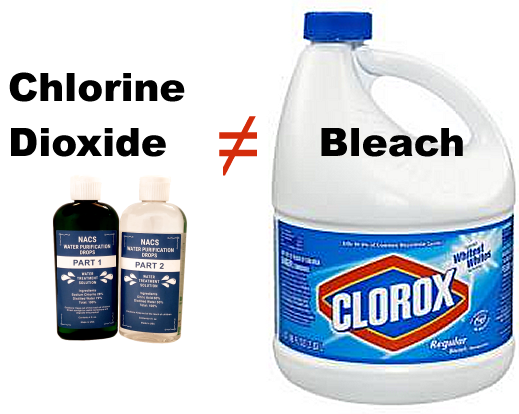
What exactly is chlorine dioxide, and how is it different from chlorine bleach?
Why they ask:
People have heard conflicting stories. Some say chlorine dioxide is a dangerous industrial chemical; others claim it’s a life-saving health support. The confusion comes from misinformation, mostly from those who mix it up with ordinary chlorine bleach.
The answer:
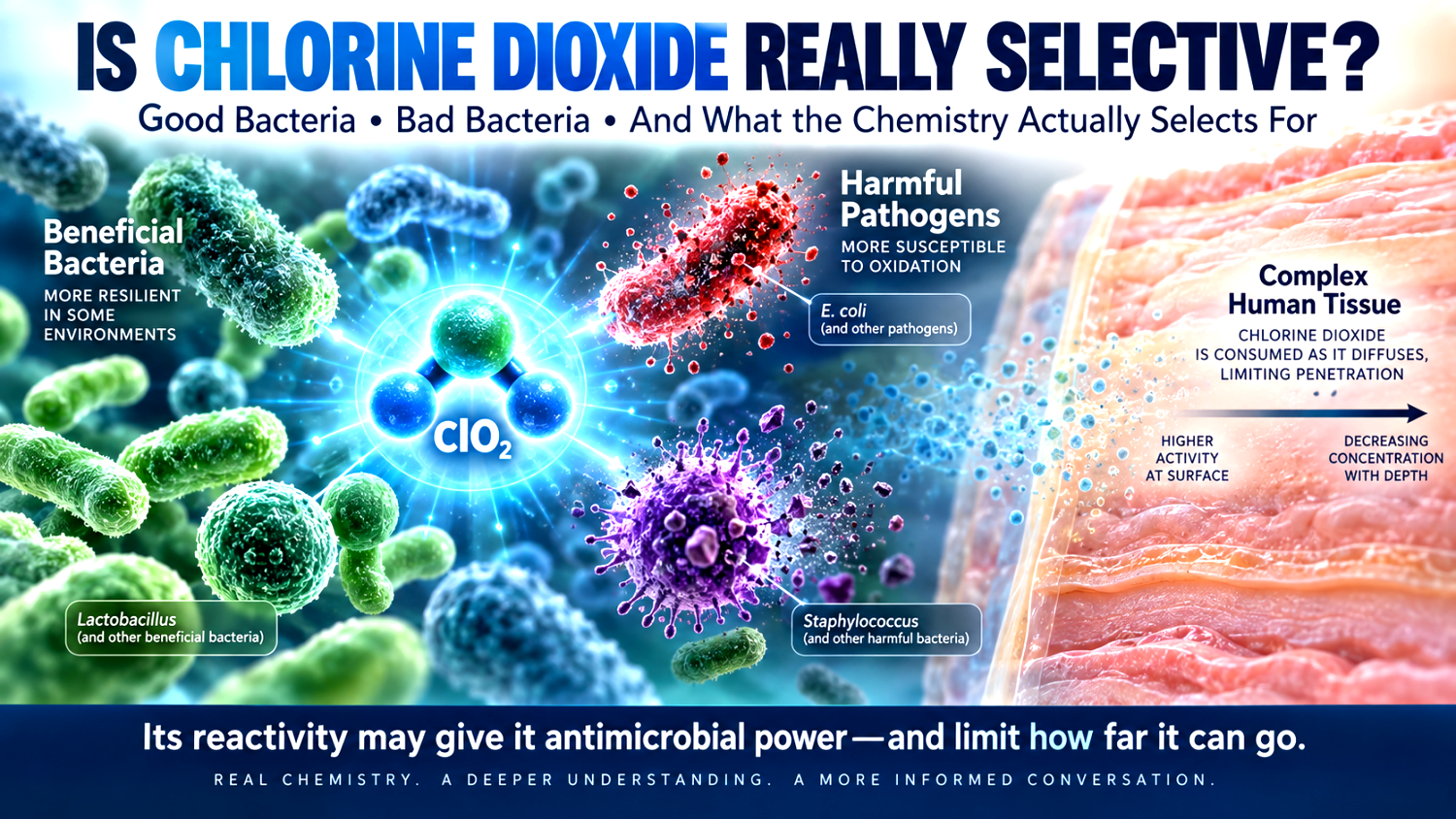
Chlorine dioxide (ClO₂) is not bleach. It’s a selective oxidizer, meaning it neutralizes pathogens like bacteria, viruses, fungi, and parasites by oxidation, not by poisoning or burning tissue. Chemically, it’s very different from sodium hypochlorite (household bleach). Chlorine dioxide is used worldwide for disinfecting drinking water because it kills pathogens without forming harmful residues. In low doses, it can be safely used in the body for similar reasons; it helps eliminate harmful microorganisms while leaving beneficial tissue intact.
How does chlorine dioxide work inside the body?
Why they ask:
People want to know how something that “kills germs in water” could possibly help the human body without harm.
The answer:
Chlorine dioxide works through oxidation, which means it donates oxygen to neutralize harmful substances. Pathogens and toxins carry a negative electrical charge. Chlorine dioxide has a positive oxidative potential that neutralizes these invaders, breaking them down into harmless byproducts like water, salt, and oxygen. This supports the body’s natural detox process without disturbing healthy cells.
How is chlorine dioxide taken or applied for health purposes?
Why they ask:
Potential users hear about “drops,” “activated solutions,” and “CD” and want to understand how to use it correctly.
The answer:
There are several application methods, each suited to specific purposes:
Internal use: A few activated drops diluted of CD in water, taken hourly (following standard protocols like 3 drops every hour for 8 hours).
Topical use: Diluted sprays or DMSO-blended mixtures for skin, wounds, rashes, or joint pain.
Mouth rinse or toothpaste alternative: For oral health, gum disease, and bad breath.
Baths and foot soaks: To draw toxins out through the skin.
Nebulizing or breathing diluted vapors: For respiratory issues (only under knowledgeable guidance).
The goal is consistent, gentle oxidation—not high doses.
Is chlorine dioxide safe?
Why they ask:
People are told by health authorities that chlorine dioxide is “toxic,” so they want reassurance from real-world users and research.
The answer:
When prepared and used correctly, chlorine dioxide is remarkably safe. It has been approved in over 100 countries for disinfecting drinking water, fruits, and food-processing equipment. The key is dilution and correct activation. Just as too much salt can be harmful, but small amounts are essential, the same is true for chlorine dioxide; it’s all about the dosage. Thousands of people have safely used it following established protocols such as those introduced by Jim Humble and Andreas Kalcker.
What conditions or health challenges can chlorine dioxide help with?
Why they ask:
People usually turn to chlorine dioxide after exhausting other medical options. They want to know if it can help with their specific problem.
The answer:
Users have reported benefits for a wide range of issues involving pathogens, inflammation, or toxicity, including:
Viral and bacterial infections
Lyme disease and coinfections
Fungal overgrowth (Candida)
Digestive and liver problems
Autoimmune conditions
Parasitic infections
Skin problems, wounds, and infections
Chronic fatigue and brain fog
Chlorine dioxide does not cure disease; it creates an internal environment where pathogens cannot thrive, allowing the body’s natural healing mechanisms to do their job.
How do I mix and activate chlorine dioxide correctly?
Why they ask:
They’ve seen videos or instructions but fear mixing the wrong ratio or making it too strong.
The answer:
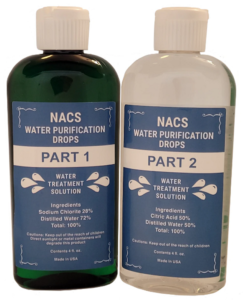
Activation is simple once understood. Chlorine dioxide is produced by combining sodium chlorite (Part A) with an acid activator (Part B) such as citric acid or hydrochloric acid.
Typical basic method:
Mix equal drops of Part A and Part B in a glass container.
Wait 30–60 seconds until it turns amber.
Dilute in 4–8 oz of pure water before drinking.
Alternatively, CDS (Chlorine Dioxide Solution) is a pre-gassed liquid form that avoids mixing and offers controlled strength. Always start low and go slow.
How long does it take to notice results?
Why they ask:
People are looking for hope, and timelines help them stay motivated.
The answer:
Many notice changes within days, such as increased energy, clearer thinking, or improved digestion. Chronic conditions, however, may require weeks or months of consistent use following an hourly-dose or gradual-detox protocol. Because chlorine dioxide supports the body’s own repair systems rather than suppressing symptoms, the process can be gentle but steady.
Are there side effects or detox reactions?
Why they ask:
Reports of “nausea” or “die-off” symptoms make some people cautious.
The answer:
Mild detox reactions—fatigue, nausea, headaches, or loose stools—can occur when the body releases toxins faster than they can be eliminated. These are not poison reactions but cleansing effects. The solution is simple: reduce the dose temporarily, hydrate well, rest, and resume slowly. Over time, reactions diminish as the body becomes cleaner.
Can chlorine dioxide be combined with other natural remedies?
Why they ask:
Many people already use supplements or herbal detox methods and want to integrate chlorine dioxide safely.
The answer:
Yes, but timing matters. Chlorine dioxide should be taken separately from antioxidants, as antioxidants can neutralize its oxidizing action. Take vitamins C, E, herbal tonics, or superfoods at least two hours before or one hour after CDS dosing.
It combines well with DMSO (for topical absorption), magnesium (to support detox pathways), and natural hydration and mineral balance.
Why doesn’t mainstream medicine promote chlorine dioxide if it’s so effective?
Why they ask:
People sense something deeper—if this works so well, why isn’t it everywhere?
The answer:
Chlorine dioxide cannot be patented. That means no billion-dollar profits for pharmaceutical companies. Its success challenges the model of lifelong drug dependency. Because it works by oxidizing pathogens rather than blocking symptoms, it doesn’t fit the pharmaceutical paradigm. The result is resistance, suppression, and discrediting by mainstream channels. However, thousands of independent health practitioners and everyday users continue to explore its potential with remarkable outcomes.
What is chlorine dioxide, and how is it different from bleach?
People are confused by media claims that it’s “bleach.” They want safety clarification.
Chlorine dioxide is a selective oxidizer, not bleach. It neutralizes pathogens without harming tissue.
Oral (diluted doses), topical spray, water purification
2
How does it work in the body?
People wonder how a disinfectant could benefit human health.
It oxidizes harmful pathogens and toxins, creating water, salt, and oxygen as byproducts.
Internal (MMS/CDS dosing), topical, enema, or inhalation methods
3
How is it taken or applied?
There are many methods online; people want to know what’s real.
Multiple safe routes—oral, topical, baths, inhalation—depending on issue.
Oral hourly dosing, body spray, bath soak, DMSO patch
4
Is it safe?
Fear arises from misinformation or bad experiences with industrial chemicals.
When properly diluted and activated, chlorine dioxide has an excellent safety record worldwide.
All applications—dose control and proper dilution are key
5
What health challenges can it help with?
People are desperate for relief from chronic or “incurable” conditions.
Helps by removing pathogens and toxins so the body can self-heal. Reported success in infections, inflammation, and chronic fatigue.
Oral protocols, topical for skin/joints, inhalation for lungs
6
How do I mix and activate it?
Fear of doing it wrong or making it too strong.
Mix equal parts of sodium chlorite and acid activator; wait for amber color; dilute before use.
Home preparation of activated drops or pre-mixed CDS
7
How soon will I feel results?
People want realistic expectations before committing.
Some feel energy or clarity in days; chronic conditions take longer. Consistency matters.
Oral (hourly or daily), gradual dose increase
8
Are there side effects?
People hear reports of nausea and worry it’s poison.
Reactions are usually detox responses as pathogens die off. Adjust dose, hydrate, rest.
Internal or topical; lower dose if detox too strong
9
Can I use it with other remedies?
Many use herbs, vitamins, or detox aids and fear conflicts.
Avoid combining with antioxidants within 2 hours. Works synergistically with DMSO, magnesium, and hydration.
Oral (timed dosing), topical blends
10
Why doesn’t mainstream medicine support it?
Users suspect suppression or censorship.
Because it’s non-patentable, low-cost, and effective, it threatens pharmaceutical profit models.
Independent self-care, guided by alternative practitioners
Bonus Insight
Why people are asking these questions:
Because they are searching for answers outside a broken medical system that often manages symptoms instead of restoring health.
These questions represent a collective awakening, people reclaiming responsibility for their own well-being.
What the answers reveal:
That chlorine dioxide, when used responsibly, is a powerful oxidizing ally capable of helping the body eliminate harmful elements and restore natural balance.
People are asking these questions because they’re searching for truth, hope, and autonomy over their health. The answers point to one simple idea: the body can heal itself when freed from toxins, pathogens, and energetic interference, and chlorine dioxide may be one of the most powerful tools to help achieve that freedom.
Used with care, understanding, and respect for proper dosing, chlorine dioxide represents not a miracle, but a mechanism, a simple molecule offering the chance for profound restoration.
The digestive system is one of the most sensitive and vital systems in the human body. When it’s working well, you feel light, energized, and nourished. But when it goes awry due to infection, inflammation, poor diet, or environmental toxins, life quickly becomes uncomfortable. Across the globe, thousands of people have turned to chlorine dioxide as a simple, affordable, and effective means to support digestive and gastrointestinal health.
Chlorine dioxide (ClO₂) is not a medicine; it’s a water purifier. Yet, when used properly, this powerful oxidizing agent has shown remarkable success in assisting the body’s natural processes of detoxification, microbial balance, and tissue repair. Here’s a look at how it’s reportedly being used to deal with some of the most common digestive and gastrointestinal disorders.
Gastroesophageal Reflux Disease (GERD)
Description: GERD is chronic acid reflux, where stomach acid repeatedly flows back into the esophagus, causing irritation, burning, and even damage to the lining.
How Chlorine Dioxide Helps:
Chlorine dioxide oxidizes acidic waste products and neutralizes anaerobic bacteria in the stomach that may contribute to excessive gas, bloating, or fermentation. By helping to restore microbial balance and reducing gut inflammation, many users report less burning and improved digestion over time.
How to Use:
Start with Protocol 1000 (Jim Humble method), taking 8 to 10 hourly micro-doses (1 activated drop per hour, diluted in 4 oz of water). Users report that reflux symptoms decrease significantly within a week.
Crohn’s Disease
Description: A chronic inflammatory bowel disease (IBD) that affects the lining of the digestive tract, often leading to severe diarrhea, pain, fatigue, and malnutrition.
How Chlorine Dioxide Helps:
ClO₂ targets and neutralizes pathogenic microbes believed to trigger inflammation and autoimmune responses in the gut. It reduces oxidative stress, helps disinfect ulcerations, and may support tissue healing by improving oxygen availability at the cellular level.
How to Use:
Protocol 1000 or Protocol 2000 (for chronic conditions) up to 3 activated drops in four ounces of water every hour for up to 8 hours per day. Enemas with chlorine dioxide solution (using 10 activated drops per liter of water) are sometimes used for local intestinal support.
Irritable Bowel Syndrome (IBS)
Description: A functional disorder characterized by abdominal pain, cramping, bloating, gas, diarrhea, or constipation without evident physical damage.
How Chlorine Dioxide Helps:
IBS often involves gut dysbiosis, an imbalance of bacteria and yeast. Chlorine dioxide helps reduce overgrowth of harmful microbes without destroying beneficial flora, allowing the gut to reestablish normal function. Users report reduced bloating and cramping within days.
How to Use:
Protocol 1000, 1 activated drop hourly in 4 oz of water, 8 to 10 hours per day. Some users add a probiotic at bedtime to replenish beneficial bacteria.
Celiac Disease
Description: An autoimmune reaction to gluten, leading to intestinal inflammation and damage to the small intestine lining.
How Chlorine Dioxide Helps:
While chlorine dioxide cannot “cure” gluten sensitivity, it can help reduce inflammation and bacterial overgrowth triggered by immune responses to gluten. Users also report fewer headaches and fatigue, possibly due to improved nutrient absorption once the gut lining begins to heal.
How to Use:
Protocol 1000 for 3 weeks, followed by a rest period. Maintain a strict gluten-free diet. Topical or oral rinses may also be used for secondary mouth ulcers common in celiac flare-ups.
Ulcerative Colitis
Description: A chronic inflammatory bowel disease causing ulcers in the colon and rectum, leading to bleeding, mucus discharge, and pain.
How Chlorine Dioxide Helps:
By oxidizing microbial toxins and suppressing anaerobic infection in the colon, chlorine dioxide reduces inflammation and supports mucosal repair. Its gentle oxidizing effect helps clean ulcerated tissue without harming healthy cells.
How to Use:
Protocol 2000 with occasional enemas: 10 activated drops in 1 liter of distilled water, retained for 5–10 minutes. Users report smoother bowel movements and less bleeding after 1–2 weeks.
Description: Small pouches (diverticula) form in the colon wall. When infected or inflamed, the condition becomes diverticulitis, causing pain and fever.
How Chlorine Dioxide Helps:
ClO₂ disinfects the intestinal walls and oxidizes trapped waste material that can lead to infection. Its ability to break down biofilms allows better clearance of bacteria and reduces recurrence.
How to Use:
Protocol 1000 during non-acute phases. During acute inflammation, micro-dosing every 30 minutes (half-drop doses) is reported by some users to help control symptoms more gently.
Digestive Problems (General Dyspepsia and Bloating)
Description: Non-specific digestive discomfort, bloating, slow digestion, or heaviness after eating.
How Chlorine Dioxide Helps:
By neutralizing fermenting bacteria and yeasts in the stomach and intestines, chlorine dioxide reduces the gas and toxins causing bloating. It also supports enzyme balance by removing microbial interference in digestion.
How to Use:
Protocol 101, 3 activated drops in a glass of water taken 30 minutes before meals. Many users report lighter digestion and less post-meal fatigue.
Appendicitis (Early Stage or Post-Surgery Recovery)
Description: Inflammation or infection of the appendix, often requiring surgical removal.
How Chlorine Dioxide Helps:
Before surgery, some users claim that chlorine dioxide helped manage infection long enough to avoid rupture. Post-surgery, it’s used to disinfect the bloodstream, reduce inflammation, and accelerate healing.
How to Use:
Protocol 1000 or CDS (chlorine dioxide solution) 10–20 ml of 3000 ppm solution per liter of water, sipped hourly for 8 hours. Only under supervision, as appendicitis can progress rapidly.
Gastritis
Description: Inflammation of the stomach lining, often caused by H. pylori infection, NSAID use, or stress.
How Chlorine Dioxide Helps:
Chlorine dioxide directly oxidizes Helicobacter pylori, the bacteria most responsible for chronic gastritis and ulcers. Its neutralizing action reduces acid irritation and helps the stomach lining repair itself.
How to Use:
Protocol 101, 3 drops in ½ cup water taken before meals for 2 weeks. Avoid taking with acidic foods or vitamin C (which neutralize ClO₂).
Gastroenteritis
Description: Inflammation of the stomach and intestines, often due to viral or bacterial infection (“stomach flu”).
How Chlorine Dioxide Helps:
Its strong antimicrobial action in water purification extends to pathogens that cause food poisoning and stomach flu. Users report quick relief from vomiting, diarrhea, and dehydration when doses are kept small and frequent.
How to Use:
Protocol 115, ½ activated drop every 15 minutes for 2 hours, followed by hourly doses as tolerated. Hydration is key; combine with electrolyte water.
Gut Dysbiosis
Description: Imbalance in gut bacteria, often linked to antibiotic use, processed foods, or stress.
How Chlorine Dioxide Helps:
ClO₂ eliminates anaerobic pathogens and yeast overgrowth (especially Candida albicans) while sparing beneficial aerobic bacteria. This rebalances the microbiome naturally without drugs.
How to Use:
Protocol 1000, combined with probiotic foods (yogurt, kefir, sauerkraut) after completion. Many report improved mood and digestion, as gut flora balance restores serotonin production.
Gallstones
Description: Hardened deposits in the gallbladder that block bile flow, leading to pain, nausea, and indigestion.
How Chlorine Dioxide Helps:
ClO₂ doesn’t dissolve stones directly, but helps by reducing inflammation and clearing microbial triggers that lead to bile stagnation. Some users report fewer gallbladder attacks and better digestion after regular use.
How to Use:
Protocol 1000 with a light diet, including lemon water and magnesium-rich foods. For preventive maintenance, a single daily 3-drop dose of chlorine dioxide solution in a large glass of water is sometimes used.
Chlorine dioxide works by oxidation, not by poisoning. It releases oxygen atoms that neutralize pathogens and toxins on contact. This selective oxidation leaves beneficial bacteria and human tissue largely unharmed, allowing the body to restore balance naturally. It’s like cleaning out the pipes, removing sludge, infection, and stagnant waste so the body’s own repair systems can flow freely again.
Safety & Caution
Chlorine dioxide is legally sold as a water purifier, not a medical treatment. Anyone using it for off-label purposes does so at their own discretion. Always use food-grade sodium chlorite and acid activator, and follow verified protocols such as those established by Jim Humble or Andreas Kalcker. Avoid destabilization (thereby weakening the solution) by ingesting other acids or antioxidants within one hour of dosing.
Neurological and cognitive disorders represent some of the most challenging and least curable conditions known to modern medicine. They affect the brain, nerves, cognition, mood, and overall quality of life. Reports and observations from practitioners around the world have shown that chlorine dioxide, a powerful yet selective oxidizer, can play an unexpected role in supporting neurological and cognitive function when used responsibly as a non-medical, water purification supplement.
Chlorine dioxide (ClO₂) has long been recognized for its ability to purify water by destroying bacteria, viruses, fungi, and biofilms. Within the body, it appears to act similarly by oxidizing harmful pathogens, metals, and neurotoxins without damaging healthy tissues. While its use for internal health is considered an “off-label” and self-directed approach, many individuals have reported profound changes in clarity, mood, and overall brain function.
Below are the most commonly discussed neurological and cognitive disorders reportedly showing improvement with chlorine dioxide use.
Alzheimer’s Disease
Description: A degenerative brain disorder leading to memory loss, confusion, and impaired reasoning. Symptoms: Forgetfulness, disorientation, difficulty recognizing loved ones, and loss of independence. How Chlorine Dioxide Helps: Alzheimer’s has been linked to chronic inflammation, metal toxicity, and microbial biofilms in the brain. Chlorine dioxide’s oxidative mechanism may help reduce pathogenic load and oxidative stress, clearing micro-toxins and restoring cellular oxygen balance. Suggested Use: Following Jim Humble’s Protocol 1000—8-hour dosing of activated drops diluted in pure water—taken hourly in small amounts throughout the day for 3 weeks, has been associated with noticeable clarity and reduced confusion.
Parkinson’s Disease
Description: A progressive nervous system disorder affecting movement and coordination. Symptoms: Tremors, stiffness, slowness of movement, impaired posture, and speech changes. How Chlorine Dioxide Helps: Parkinson’s involves both heavy metal accumulation and oxidative stress in neural tissue. Chlorine dioxide’s gentle oxidation appears to neutralize toxic residues, support detoxification, and restore mitochondrial function. Suggested Use: Protocol 1000 combined with the topical application of a diluted chlorine dioxide and DMSO mixed solution on the neck and spine has been reported to improve neuromuscular response in many cases.
Bipolar Disorder
Description: A mood disorder causing alternating episodes of mania and depression. Symptoms: Emotional highs (mania) and lows (depression), irritability, impulsiveness, and fatigue. How Chlorine Dioxide Helps: Users report a more balanced mood after detoxifying with chlorine dioxide, suggesting that the compound may assist in clearing neurotoxins or gut-derived pathogens influencing serotonin and dopamine levels. Suggested Use: Begin with a low-dose protocol to detoxify gradually, paired with a clean diet and adequate hydration to support toxin elimination.
Depression
Description: A chronic mood disorder characterized by persistent sadness and loss of interest. Symptoms: Fatigue, lack of motivation, feelings of hopelessness, sleep changes, and appetite disturbance. How Chlorine Dioxide Helps: By removing low-level chronic infections, microbial metabolites, and environmental toxins, chlorine dioxide helps restore the brain’s biochemical balance and oxygenation—often resulting in a lift in mood and vitality. Suggested Use: Oral micro-dosing protocol for 14–21 days, with rest days as needed. Topical chlorine dioxide/DMSO application to the wrists or spine has been used to improve energy circulation.
Anxiety
Description: Excessive worry, fear, or tension that can interfere with daily functioning. Symptoms: Restlessness, heart palpitations, muscle tension, and difficulty concentrating. How Chlorine Dioxide Helps: Many users describe a sense of calm and reduced “mental static” as chlorine dioxide clears systemic toxins and supports oxygen flow. Improved gut health, often referred to as the “second brain,” may reduce anxiety through the healing of the gut-brain axis. Suggested Use: Low-dose continuous oral dosing (Protocol 1000) and vaporized application in room diffusers have shown supportive effects in cleansing the environment.
Schizophrenia
Description: A severe mental disorder involving delusions, hallucinations, and disorganized thinking. Symptoms: Hearing voices, paranoia, erratic behavior, and withdrawal from reality. How Chlorine Dioxide Helps: Emerging hypotheses suggest a connection between schizophrenia and microbial and parasitic activity in neural tissue. Chlorine dioxide’s selective oxidation can help dismantle these microbial networks, potentially lessening neurological inflammation. Suggested Use: Begin with minimal dosing (Protocol 1000) while maintaining strong nutritional support, including vitamin C, magnesium, and hydration, to buffer detox reactions.
Autism Spectrum Disorder (ASD)
Description: Developmental condition affecting communication, behavior, and sensory processing. Symptoms: Speech delay, repetitive behaviors, sensory sensitivity, and social difficulties. How Chlorine Dioxide Helps: Autism-related studies and parent reports (notably by Kerri Rivera and others) suggest that chlorine dioxide may reduce microbial and parasitic burdens, improve digestion, and enhance neurological coherence. Suggested Use: The CD Autism Protocol (micro-dosing every hour with careful observation) combined with a clean diet, probiotics, and mineral support has been widely discussed in autism recovery communities.
Description: A progressive neurodegenerative disease affecting motor neurons. Symptoms: Muscle weakness, difficulty speaking, swallowing, and breathing. How Chlorine Dioxide Helps: ALS is associated with oxidative damage and heavy metal toxicity. Chlorine dioxide’s redox action neutralizes free radicals and supports detoxification pathways, potentially slowing progression. Suggested Use: Oral protocol paired with light skin chlorine dioxide/DMSO applications on the neck and upper spine to increase systemic oxygenation.
Dementia
Description: A general term for memory and reasoning decline severe enough to interfere with daily life. Symptoms: Memory loss, confusion, trouble with communication, and mood changes. How Chlorine Dioxide Helps: Similar to Alzheimer’s, dementia often involves low-grade infection, vascular congestion, and reduced oxygenation. Chlorine dioxide acts as an oxygen carrier, enhancing brain circulation and clarity. Suggested Use: Standard oral micro-dose protocol for 3–4 weeks, followed by maintenance doses as needed.
General Neuro-Cognitive Difficulties
Description: Mild but persistent issues with memory, focus, learning, and mental energy. Symptoms: “Brain fog,” lack of concentration, slow recall, and cognitive fatigue. How Chlorine Dioxide Helps: As a systemic purifier, chlorine dioxide assists in clearing heavy metals, pathogens, and mycotoxins that interfere with neurotransmission. Users commonly report improved focus, clarity, and stamina. Suggested Use: A gentle 14-day detox regimen using diluted chlorine dioxide solution, followed by maintenance micro-dosing and hydration.
How Chlorine Dioxide Works on Neurological Disorders
Chlorine dioxide does not act as a drug; it does not directly stimulate or suppress the brain. Instead, it supports internal housekeeping by:
Breaking down microbial biofilms that clog neural pathways.
Oxidizing heavy metals and chemical residues that impair neurotransmission.
Increasing oxygen delivery to the brain tissue.
Supporting detoxification and immune normalization.
This indirect action allows the body’s natural repair systems to restore neurological balance.
Supportive Data and Observations
Spanish physician Dr. Manuel Aparicio-Alonso has published case reports of neurological symptom improvement among patients using chlorine dioxide under observation.
Kerri Rivera’s Autism recovery program (spanning over 3,000 children) reported significant behavioral and communicative improvements through low-dose chlorine dioxide protocols.
Field practitioners have observed marked improvement in clarity, emotional balance, and mobility among Alzheimer’s and Parkinson’s patients using self-administered chlorine dioxide regimens.
Anecdotal evidence from support groups suggests increased calmness, reduction in tremors, and restoration of cognitive sharpness.
While more formal studies are warranted, the consistency of reports suggests that chlorine dioxide supports neurological integrity by addressing underlying toxic burdens and enhancing oxygenation, two universal needs for healthy brain function.
Chlorine dioxide should always be used in very low concentrations and prepared according to safe activation protocols (as per Jim Humble’s MMS guidelines). It is for water purification purposes only, and any internal or topical use is at the user’s own discretion. Adequate hydration, mineral support, and rest are essential during detoxification periods.
References
Humble, J. (2016). The Master Mineral Solution of the Third Millennium.
Rivera, K. (2013). Healing the Symptoms Known as Autism.
Aparicio-Alonso, M. (2020). Clinical Observations on Chlorine Dioxide Applications.
Taylor, J. M. (2019). “Oxidative Mechanisms in Neurodegenerative Disorders.” Neuroscience Today.
Humble, P. (2022). Healthy Alternative Chlorine Dioxide Uses Non-pharmacological Health Restoration.
Rivera, K., & Humble, J. (2020). “Case Studies on Chlorine Dioxide in Cognitive and Behavioral Disorders.” Alternative Healing Review.
For decades, people have been told that diabetes is caused by eating sugar, starches, or white rice. Doctors warn patients to avoid sweets, bread, and refined carbohydrates. But here’s the shocking truth: the story isn’t that simple, or you couldn’t cure diabetes with table sugar. Shockingly, in 1934, Dr. Walter Kempner from Duke University in North Carolina developed what became known as the Rice Diet. His patients ate frightening amounts of table sugar and white rice, foods modern medicine warns against, to treat and overcome diabetes. Others also recovered from high blood pressure, kidney failure, obesity, heart disease, and even diabetic retinopathy. His results were remarkable, but the medical establishment ridiculed him because his methods challenged the accepted narrative.
So what is really going on? If diabetes isn’t just about sugar, where is the problem coming from?
The Hidden Truth: The Pancreas and Pathogens
The pancreas is the organ most affected in diabetes, responsible for producing insulin. While mainstream medicine insists that diabetes is an incurable condition of a “broken” pancreas, alternative researchers and practitioners suggest that the real culprit may be pathogens, including parasites, that set up residence inside the pancreas.
This explanation is controversial in the United States, where the medical industry often claims, “Parasites don’t exist here, only in third-world countries.” Yet evidence from natural health practitioners indicates otherwise. Many believe this denial is part of a larger system that keeps Americans chronically sick and highly profitable to the healthcare industry.
Regardless of the debate, countless individuals report being freed from diabetic conditions through natural, counterintuitive approaches that go beyond the mainstream.
Four Key Ingredients for Supporting the Body Against Diabetes
A combination of four natural substances has shown powerful effects in people struggling with diabetes. These aren’t pharmaceutical drugs but rather simple compounds that support the body in surprising ways.
Oceanic Magnesium (Magnesium Chloride, liquid from the sea)
People with diabetes often lose more magnesium than others. Magnesium is required for insulin to work properly and for glucose to move into cells.
Topical application (directly on the skin) bypasses digestion and allows the mineral to absorb quickly into the bloodstream. Many report improvements in circulation, nerve function, and overall energy.
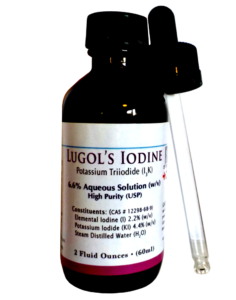
Lugol’s Iodine
Iodine is critical for thyroid health, metabolism, and the immune system.
It may also play a role in breaking down pathogens and supporting detoxification of the pancreas and other organs.
A few drops daily in water can provide the trace amounts the body requires.
Chlorine Dioxide (CDS/MMS)
Introduced to the world by Jim Humble, this water purification compound works by oxidation. It destroys pathogens, including bacteria, viruses, and parasites, without harming healthy human cells.
Many who have followed protocols with carefully diluted chlorine dioxide have reported elimination of long-standing infections that may underlie diabetes and other chronic diseases.
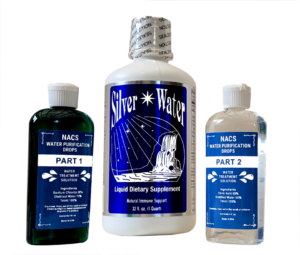
Silver Water (Colloidal Silver, Wayne Rowland’s proprietary process)
Known for its natural antimicrobial properties, colloidal silver has been used for centuries to combat infections.
Wayne Rowland developed a stabilized form of Silver Water, said to have superior absorption and effectiveness.
It has been used to support immunity, fight gut pathogens, and restore balance in the body.
Together, these four ingredients can create an environment where pathogens no longer thrive, the pancreas is supported, and blood sugar regulation can return toward normal function.
A Commonly Reported Routine
This routine has been shared by those who have used these natural remedies. It is not medical advice, but an example of how people organize their day with these ingredients.
7:30 a.m. – 3 drops Lugol’s Iodine in 4 oz water
8:00 a.m. – 1 oz Silver Water
10:00 a.m. – 12:00 p.m. – Chlorine Dioxide every hour (3 activated drops in 4 oz water)
1:00 p.m. – 1 oz Silver Water
3:00 – 5:00 p.m. – Chlorine Dioxide every hour
6:00 p.m. – 1 oz Silver Water
8:00 – 9:00 p.m. – Chlorine Dioxide
10:00 p.m. (or bedtime) – 1 oz Silver Water
Additionally:
Oceanic Magnesium – Rub topically into sensitive skin areas three times daily.
Optional DMSO – Enhances absorption. DMSO can be mixed with magnesium or silver water for a stronger effect.
Note there is a two-hour gap following (not preceding) the Silver Water before using chlorine dioxide, which is taken at one-hour intervals. Silver before bed allows it to work all night.
Some people follow this protocol for three weeks, then take a week off, while others continue until they achieve the desired results. Author Herb Roi Richards suggests that after achieving your desired results, continuing for an additional three weeks to complete the process and, in a sense, “seal the deal.”
Everyone’s body is different, so results vary, and careful self-testing and adjustment are essential.
Beyond the Four Ingredients
Wayne Rowland’s Disease Symptom Elimination Program expands this approach further, addressing:
Jim Humble’s pioneering work with chlorine dioxide also demonstrated that even “incurable” diseases like diabetes could improve when pathogens and toxins were eliminated. His discoveries were so disruptive to the medical system that he was forced to live in hiding outside the U.S. to avoid prosecution.
The mainstream story about diabetes, that it is incurable and must be managed with drugs for life, may not be the whole truth. History, alternative science, and countless personal testimonies point to another possibility: that pathogens and nutrient deficiencies lie at the root of the disease.
Using natural substances like Oceanic Magnesium, Lugol’s Iodine, chlorine dioxide, and Silver Water, many people have already reclaimed their health. Whether this represents the “fastest and easiest” way to eliminate diabetes depends on each person’s willingness to think outside the box, question old assumptions, and try new approaches responsibly.
This article is for informational purposes only and not intended as medical advice. Always do your own research and consult with a qualified health professional before making changes to your health regimen.
Restoring flow, signaling, and tissue harmony through synergistic, full-spectrum support. Urological challenges rarely originate from a single malfunction. In many persistent or treatment-resistant cases, symptoms emerge from overlapping physiological stressors—chronic inflammation, microbial pressure, mineral imbalance, impaired circulation, nerve irritation, and reduced cellular communication. When these layers interact, addressing only one often produces limited or temporary relief.
A systems-oriented recovery approach views the urinary and reproductive organs not as defective components, but as adaptive tissues responding to environmental strain. When multiple support pathways are gently engaged at once, the body often regains its capacity to recalibrate.
This article outlines common urological symptom patterns and introduces a four-part, non-pharmaceutical synergy frequently explored by individuals seeking broader physiological support:
Silver Water · Oceanic Magnesium · DMSO · Chlorine Dioxide
Common Urological Patterns & Associated Experiences
Urinary Tract Infections (UTIs)
Commonly experienced as:
Discomfort or burning during urination
Increased urgency or frequency
Changes in urine clarity or odor
Pelvic or lower abdominal tenderness
These patterns often involve local microbial imbalance paired with mucosal irritation and inflammatory signaling.
Kidney Stones
Frequently associated with:
Sudden or severe flank pain
Discomfort radiating toward the groin
Nausea
Blood in the urine
Stone formation is often linked to mineral dysregulation, dehydration, and altered urinary chemistry.
Prostatitis
Often includes:
Perineal or pelvic pressure
Pain during urination or ejaculation
Nighttime urination
Sensation of fullness
This pattern commonly reflects inflammation, congestion, microbial stress, and nerve sensitivity.
Overactive Bladder
May involve:
Sudden urge to urinate
Frequent urination
Night waking
Occasional leakage
Often associated with nerve signaling imbalance, muscular tension, and inflammatory load.
Urinary Incontinence
Common features include:
Leakage during exertion (laughing, coughing, lifting)
Reduced bladder control
Pelvic floor fatigue
This pattern often reflects coordination issues between muscles, nerves, and connective tissue.
Benign Prostatic Hyperplasia (BPH)
Frequently experienced as:
Reduced urine flow
Hesitation or incomplete emptying
Frequent nighttime urination
Often associated with chronic inflammation, tissue enlargement, and diminished circulation.
Chronic Pelvic Pain Syndromes
May present as:
Ongoing pelvic discomfort
Pain without clear imaging findings
Muscle guarding or hypersensitivity
These syndromes are often multifactorial, involving fascia, nerves, circulation, and inflammatory signaling.
Urologically Linked Erectile Dysfunction
Often associated with:
Reduced firmness or endurance
Diminished sensation
Inconsistent performance
When urologic in origin, these patterns commonly reflect circulatory limitation, nerve disruption, inflammation, or pelvic congestion.
Within this framework, DMSO is not viewed as the primary agent, but as a facilitator—enhancing delivery and tissue responsiveness. It is commonly used:
Topically (properly diluted) over pelvic or prostate regions
Occasionally orally in very small amounts, often alongside Silver Water
Silver Water
Primary focus: microbial balance & tissue comfort
Silver Water has long been explored for its ability to:
Support balanced microbial environments
Soothe irritated mucosal tissues
Offer broad-spectrum environmental support
In addition to oral use, many individuals apply it topically over the lower abdomen, pelvis, or perineal area during periods of discomfort.
Why Synergy Matters
Each component supports a different physiological layer, creating a cumulative effect:
System Layer
Primary Support
Microbial balance
Silver Water, chlorine dioxide
Tissue penetration
DMSO
Muscle & nerve tone
Oceanic Magnesium
Circulation & flow
Magnesium, DMSO
Inflammatory modulation
All four via distinct pathways
The intent is gradual restoration, not forceful correction.
Example Daily Support Rhythm
This sample schedule reflects how many people choose to space support for gentler systemic engagement.
Morning
Silver Water: ~1 ounce orally
Oceanic Magnesium: oral or topical
Optional: very small amount of oral DMSO mixed with Silver Water (for experienced users)
Throughout the Day
Chlorine dioxide:
A few drops in a full glass of water
Sipped hourly during waking hours
Topical support (as needed):
Silver Water over pelvic or bladder area
Diluted chlorine dioxide topically
Diluted DMSO layered last to enhance penetration
Evening
Silver Water: ~1 ounce orally
Magnesium: calming dose or topical application
DMSO: topical use for tension, pressure, or discomfort as needed
Note: Morning: wait 2 hours after taking Silver Water before starting chlorine dioxide. Evening: Wait 1 hour after taking chlorine dioxide before taking Silver Water.
A Philosophy of Subtle Recovery
This approach emphasizes:
Consistency over intensity
Layered support rather than single-target solutions
Listening to tissue response and adjusting gently
When inflammation eases, circulation improves, minerals rebalance, and microbial pressure diminishes, many people observe that the body often re-engages its own corrective intelligence.
Consider this:
Urological challenges can deeply affect comfort, confidence, intimacy, and daily freedom. A systems-based recovery approach does not promise instant results—but it does offer a coherent, body-respecting framework for those seeking alternatives beyond force-based interventions.
Progress is often incremental rather than dramatic, and outcomes vary by individual. Informed self-education, careful observation, and patience are essential companions to any subtle recovery strategy.